Normobaric Oxygen Therapy
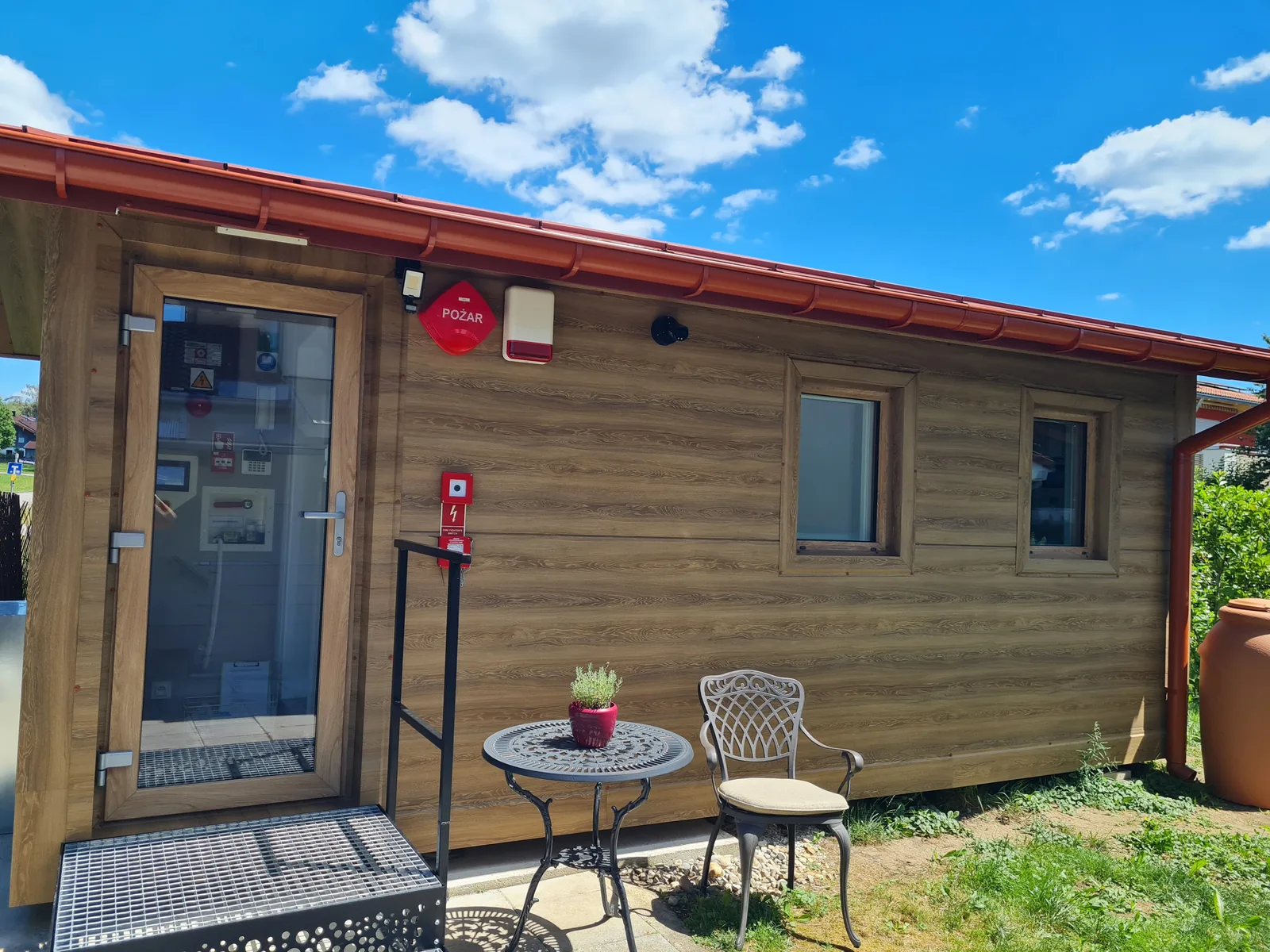
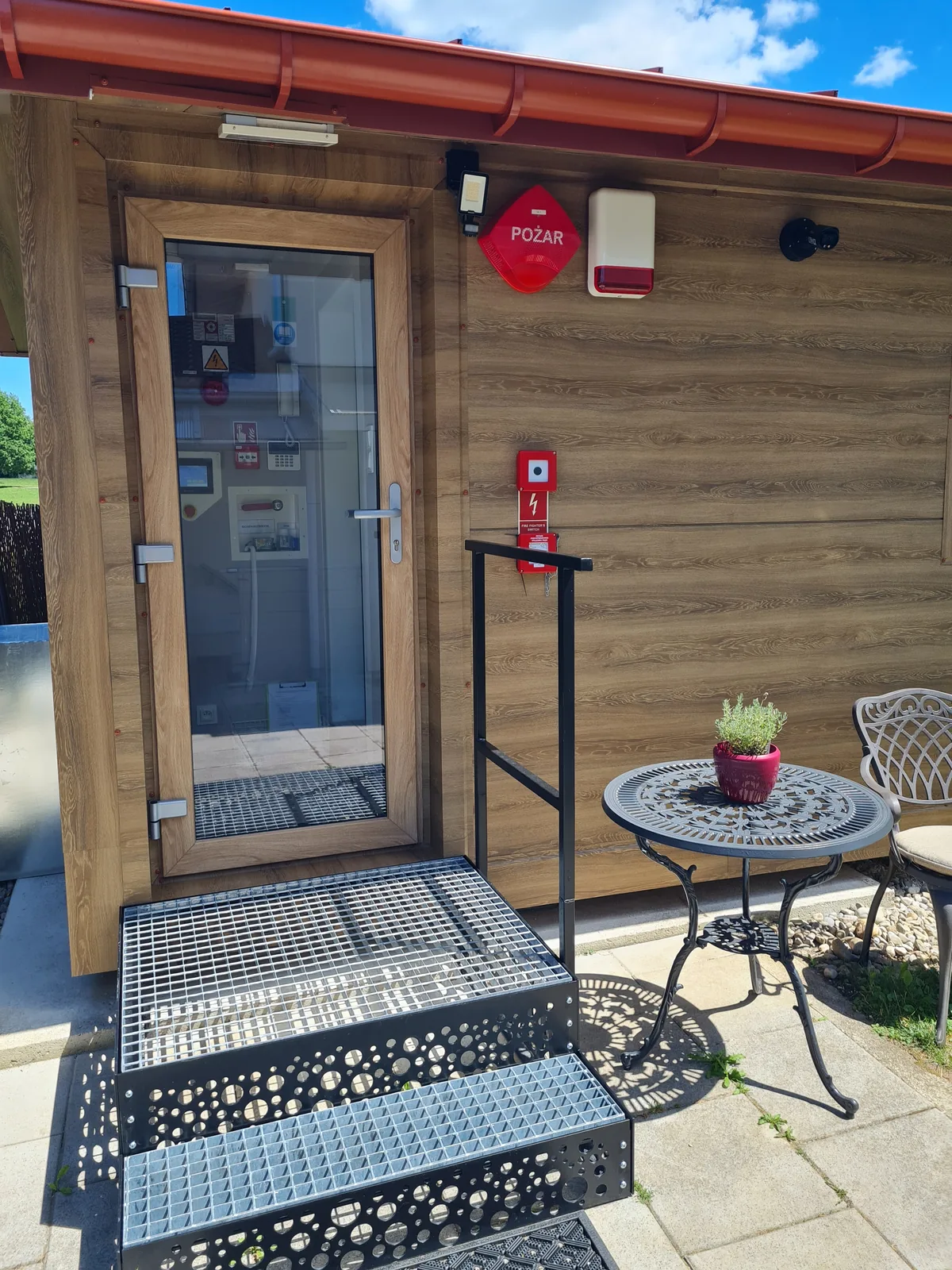
The first normobaric oxygen chamber in Southern Germany
Take a deep breath and let your body regenerate in a relaxed atmosphere at OxyRelax in Aying.
A non-invasive, advanced method to supply the body with more oxygen. This stimulates the formation of stem cells, which are used to regenerate organs and tissue.
Improved oxygen enrichment at the cellular level offers many supportive benefits.
Breathe · Regenerate · Revive
The Therapy
How the oxygen therapy works
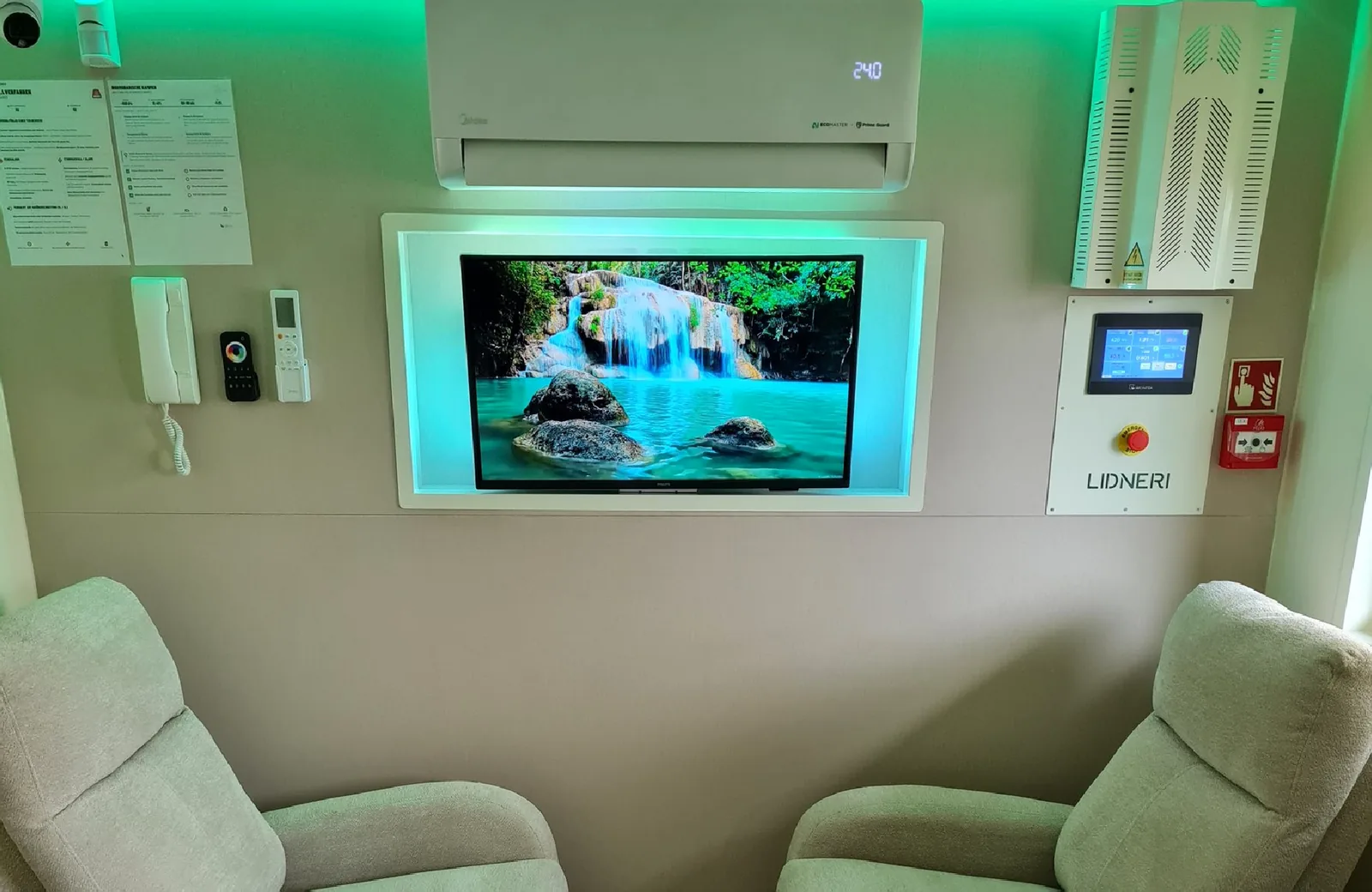
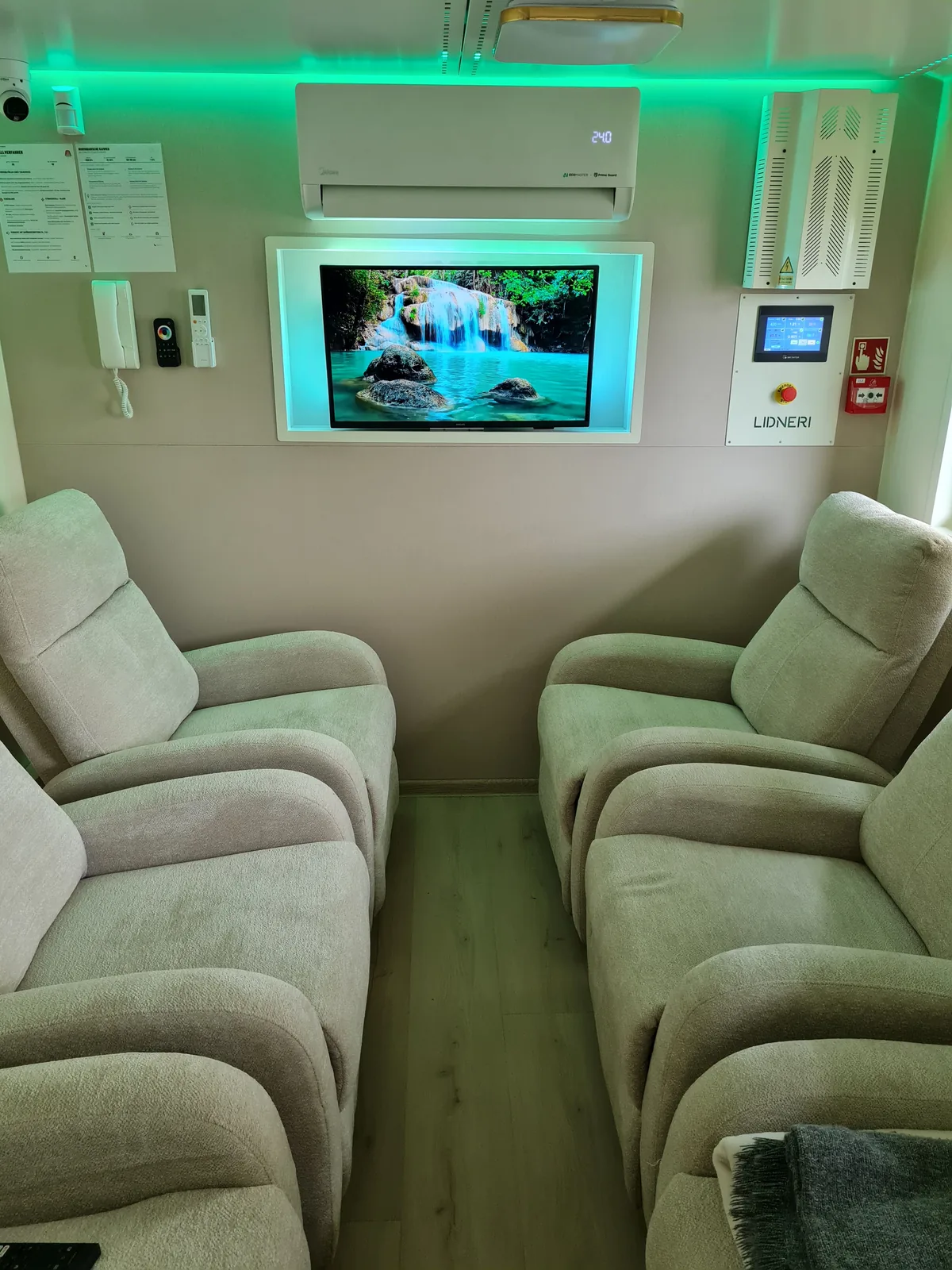
In the normobaric chamber you breathe a special air mixture with an increased proportion of oxygen, enriched with hydrogen and carbon dioxide – at slightly elevated pressure, 420 to 500 hPa above normal atmospheric pressure. You take a seat in a comfortable armchair, relax with a film or music and let the mixture do its work. We arrange the duration and number of sessions individually with you.
Non-invasive & relaxed
No mask, no effort: you sit comfortably in an armchair, breathe completely normally and can watch TV, read or simply switch off.
Oxygen at the cellular level
Under the elevated pressure, the mixture of oxygen, hydrogen and carbon dioxide is absorbed particularly well and improves the body's supply right down to the cellular level – the basis for many supportive effects.
Regeneration & recovery
The body is stimulated to form stem cells, which contribute to the regeneration of organs and tissue.
Benefits
Supportive for
- Pain of any kind
- Slowing the ageing process
- Chronic fatigue / CFS / post-Covid
- Regulation of the digestive process
- Faster recovery & regeneration after injuries
- Reduction of inflammation / swelling
- Joint and bone problems
- Metabolic and thyroid disorders
- Asthma and allergies
- Improved performance and concentration
- Neurological conditions · ADHD · autism
- General recovery support
Worldwide use of oxygen therapy
Worldwide, oxygen therapy is used in the following areas:
- ADHD
- Anti-ageing
- Allergies
- Alzheimer's disease
- Asthma
- Autism
- Autoimmune diseases
- Asperger syndrome
- Atopic dermatitis
- Lyme disease
- Diabetes
- Crohn's disease
- Depression
- Dermatology
- Endometriosis
- FAS
- Hashimoto's
- Thyroiditis
- Hypoxia
- Implantology
- Injuries
- Pain therapy
- Infertility treatment
- Psoriasis
- Hair loss
- Brain fog
- Metabolic disorders
- Migraine
- Natural performance enhancement
- Cancer
- Aesthetic medicine
- Cerebral palsy
- Pregnancy preparation
- Poor concentration
- Biological regeneration
- Burns
- Orthopaedics
- Ulcers
- Obesity & overweight
- Parkinson's disease
- Recovery after procedures
- Post-Covid
- Regeneration
- Rehabilitation
- Rheumatism
- Arthritis
- Restless legs syndrome
- Multiple sclerosis
- ALS
- After organ transplantation
- Acne
- Stroke
- Brain haemorrhage
- Concussion
- Pre-operative strengthening
- Yersinia
- Infections
- Heart attack
- Down syndrome
- Chronic fatigue syndrome
- Irritable bowel syndrome
Please note: normobaric oxygen therapy is a complementary treatment and does not replace medical diagnosis or treatment.
Background
History & Research
The history
The Polish physician Dr. Jan Pokrywka developed the modern normobaric concept. The first normobaric chamber was built in Poland in 2013. He describes a wide range of effects, such as:
- Better regeneration
- Better oxygen supply
- Improved sleep
- Support for cell regeneration
- Reduction of oxidative stress
- Improved performance
Dr. Pokrywka himself emphasises that the chamber does not replace classical medical treatment.
The research
Research to date suggests that normobaric oxygen applications may have the following effects:
- Improvement of the body's oxygen supply
- Improvement of individual cognitive functions such as attention or reaction speed
- Changes in the autonomic nervous system (autonomic regulation)
- Influence on markers of oxidative stress and certain neurotrophic factors
Study by Nicolaus Copernicus University (Bydgoszcz, Poland)
The Collegium Medicum of Nicolaus Copernicus University (UMK) in Bydgoszcz examined 17 healthy adults between September and December 2018 who were repeatedly exposed to normobaric hyperoxia in a special chamber. The study “Autonomic and Cognitive Function Response to Normobaric Hyperoxia Exposure in Healthy Subjects” was published in the journal Medicina on 10 April 2020.
Among other things, the authors reported:
- Changes in heart rate variability indicating an adaptation of the autonomic nervous system
- Improvements in some cognitive tests
- Changes in biochemical markers of oxidative stress
- Acceleration of natural regeneration processes
- Improvement of fatigue symptoms
- Regulation of the cardiovascular system
- No serious side effects in the healthy subjects examined
The chamber
Gas parameters of the chamber
The air mixture in the normobaric chamber differs deliberately from the normal atmosphere – here are the key parameters compared.
Atmospheric pressure
Oxygen equivalent
CO₂ content
Hydrogen (H₂)
Why the slightly elevated pressure?
According to Henry's law, a slightly elevated ambient pressure increases the solubility of oxygen in the blood plasma. Oxygen is then transported not only via haemoglobin but also directly dissolved – which is especially important for poorly perfused tissue. This supports regeneration processes and overall performance, without the side effects of hyperbaric therapy.
Oxygen – energy for every cell
In the chamber the oxygen level is deliberately higher than in the normal atmosphere. The increased oxygen partial pressure improves the oxygen saturation of the blood, promotes cell respiration and energy production (ATP), and supports regeneration and tissue repair – for more energy, better concentration and a strengthened immune system.
CO₂ and the Bohr effect
The CO₂ content is deliberately raised to about 1.52 %. This slightly elevated carbon dioxide promotes the Bohr effect – a physiological mechanism that makes it easier for haemoglobin to release oxygen to the tissue. This improves cell supply, particularly in less well-perfused areas, within safe and well-tolerated limits.
Hydrogen as a natural antioxidant
Molecular hydrogen (H₂) is a strong, selective antioxidant that neutralises harmful free radicals and protects cells from oxidative stress. Thanks to its tiny molecular size it reaches all tissues, supports regeneration, slows the ageing process and reduces inflammation.
Parameters
Measurable parameters
The effects of the sessions can be tracked using measurable parameters:
Pulse
Resting and exercise pulse over time
Stem cells
Determined in the blood
Telomere length
Determined in the blood
AGEs index
Non-invasive measurement via light pulses (skin sensor)
What the AGEs index tells you
The AGEs index (Advanced Glycation Endproducts) is a health and wellness marker that assesses metabolic health and biological age. Low values indicate a good metabolic state and elastic, healthy blood vessels; elevated values can be associated with an increased long-term risk of vascular stiffening and metabolic diseases. AGEs are risk factors for stiffened blood vessels – even in people without diabetes (DZD, German Center for Diabetes Research).
Learn more at the DZD – German Center for Diabetes ResearchAdditional parameters examined in studies
- Heart rate variability (HRV)
- Heart rate
- Blood pressure
- Cognitive performance
- Markers of oxidative stress
- Neurotrophic factors (e.g. BDNF)
Light & colour
Colour therapy (chromotherapy)
Complementing the oxygen therapy, coloured light is used inside the chamber. Colour therapy assumes that different colours have different effects on the body and well-being:
- Red: stimulating, activating, promotes attention and energy
- Orange: mood-lifting, warming, encourages creativity and joy
- Yellow: supports concentration, optimism and mental activity
- Green: calming, relaxing, associated with balance and regeneration
- Blue: cooling and calming, can promote relaxation and sleep
- Violet: said to support inner calm, meditation and creativity
Colours can influence mood and attention in the short term; a proven medical effect has not yet been established for most applications. Colour therapy is therefore understood as a relaxing, complementary measure – often used for stress, tiredness, sleep problems and general well-being.
Pricing
Sessions & packages
Trial session
39 €
per session (2 hours)
Get to know it: your first session in the normobaric oxygen chamber.
Single session
50 €
per session (2 hours)
One session in the normobaric oxygen chamber.
10-session pass
45 €
per session (2 hours)
Ten sessions in the normobaric oxygen chamber – €450 in total.
Appointments by arrangement – give us a call or write to us.
Contact
Contact & appointments
Appointments by arrangement – call us or send an email and we will get back to you promptly.
Praxis K. Plörer
- Address
- Malzweg 10, 85653 Aying
- Phone
- 0173 9827092
- Appointments
- By arrangement